
DDR6 Memory: Everything We Know So Far
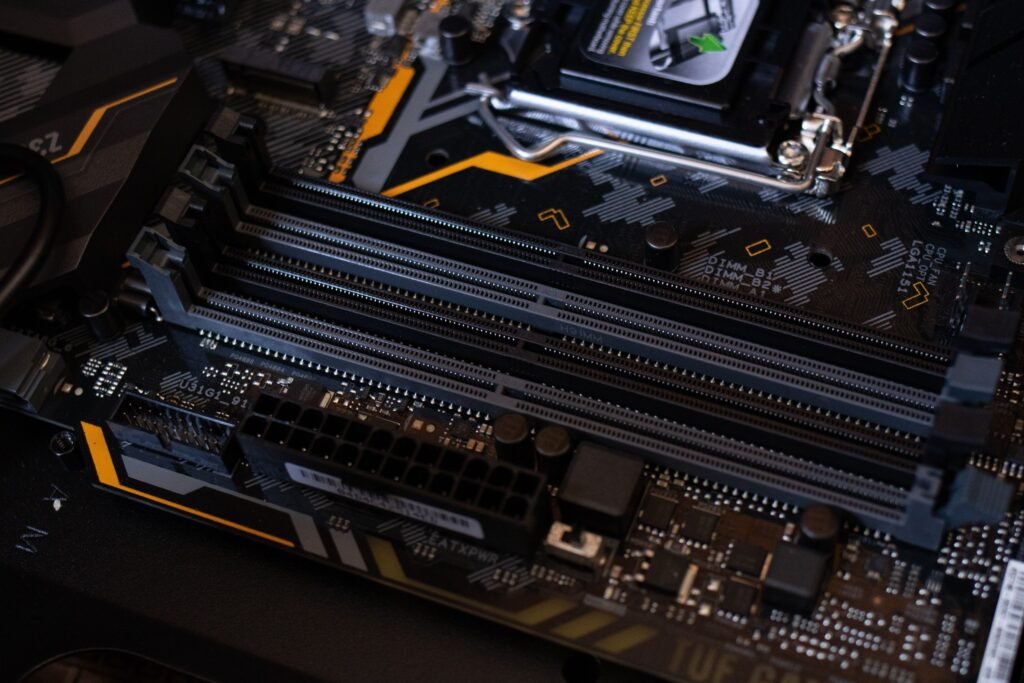
DDR6 memory is the next big jump in PC and server RAM, and the early details already sound impressive. JEDEC finalized the core DDR6 draft in late 2024, and the standard is now moving through platform-level testing ahead of a commercial rollout. So while you cannot buy DDR6 yet, the roadmap is finally solid enough to talk […]
PCIe 7.0 Is Coming: What It Means for Future PCs
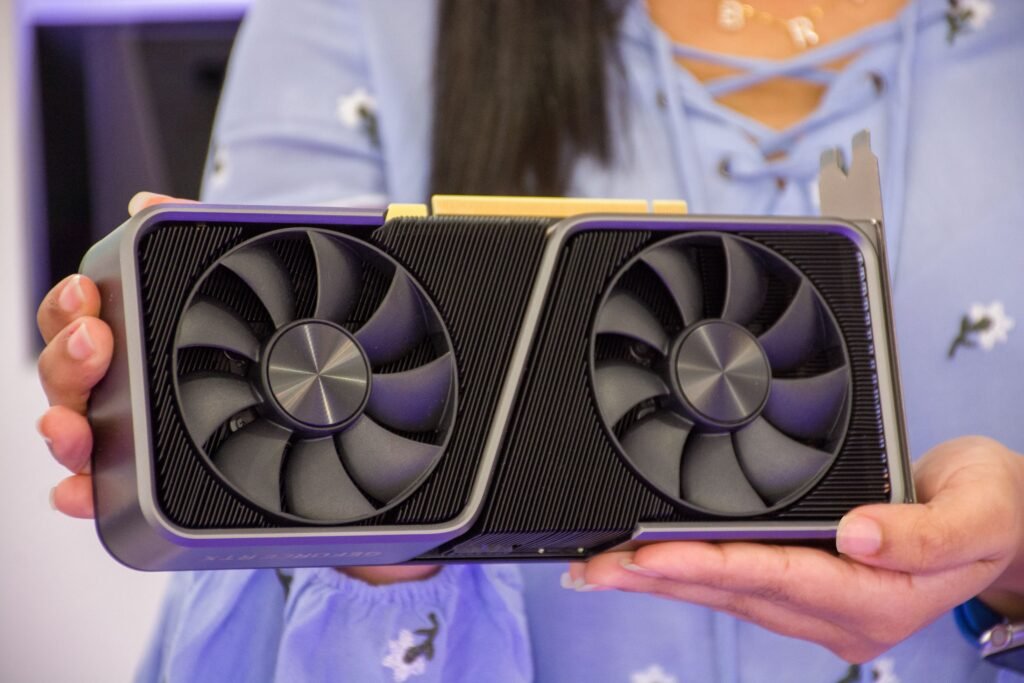
PCIe 7.0 is the next major leap for the interconnect that links your CPU, GPU, and storage, and it is arriving faster than most PC builders expect. PCI-SIG released the finalized PCIe 7.0 specification to its members in mid-2025, doubling the raw data rate of PCIe 6.0 from 64.0 GT/s to a massive 128.0 GT/s. In […]
Quantum-Inspired Processors Are Closer Than You Think
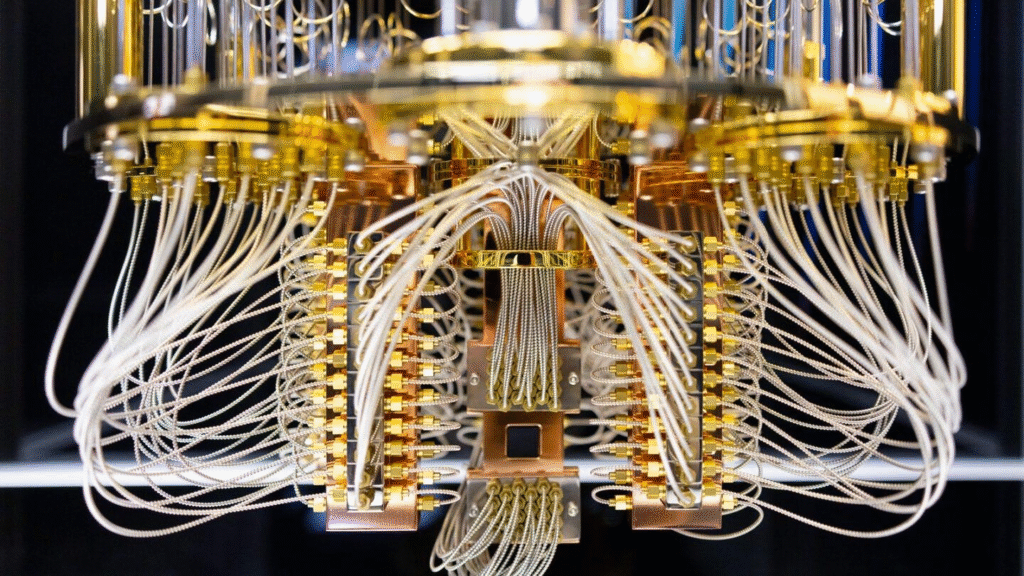
Quantum-inspired processors are no longer a distant lab curiosity. They already run on standard chips today, and they are quietly reshaping how engineers solve optimization problems that used to take classical hardware hours to crack. Instead of waiting for fragile, cryogenically cooled qubits to mature, a growing number of companies are borrowing the math of quantum mechanics and running it […]
The Economics Behind Next-Generation Semiconductor Fabs
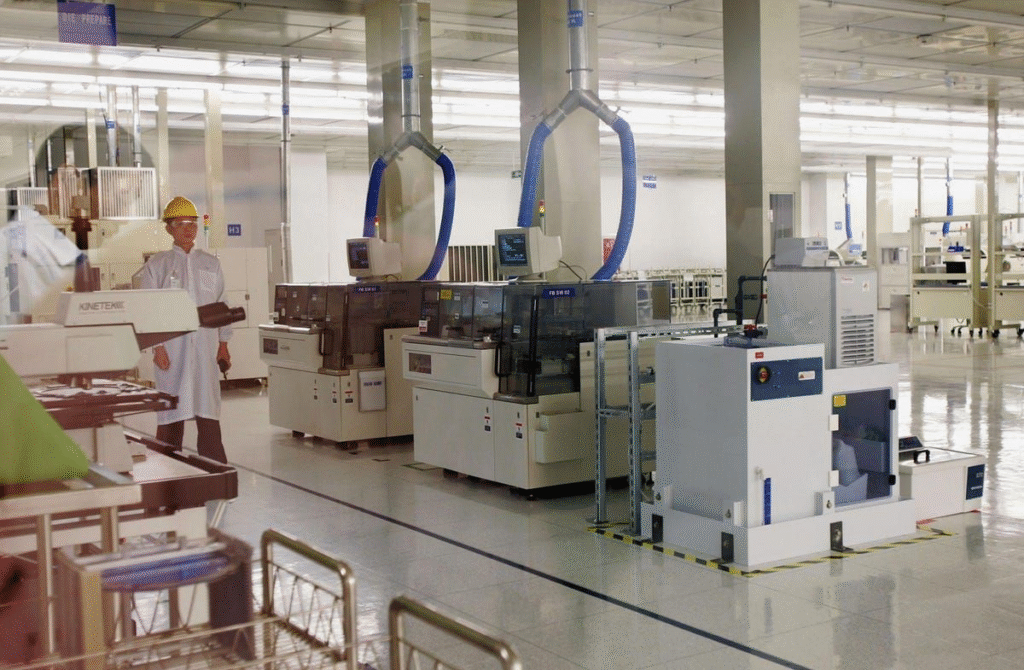
The economics behind next-generation semiconductor fabs has become one of the most important topics in the technology industry. Building an advanced semiconductor fabrication plant now requires enormous capital investment, highly specialized equipment, global supply chains, and years of planning. As artificial intelligence, high-performance computing, automotive electronics, and cloud infrastructure continue to expand, the economics behind […]
How Open Chip Architectures Are Reshaping Innovation in 2026
For decades, processor development was controlled by a small number of companies that owned proprietary chip architectures and charged licensing fees for their use.Open chip architectures are giving engineers, startups, research institutions, and governments the freedom to design and build processors without relying entirely on proprietary ecosystems. This shift is doing for hardware what open-source software […]
Universal Chip Interconnects: The Future of Modular Computing
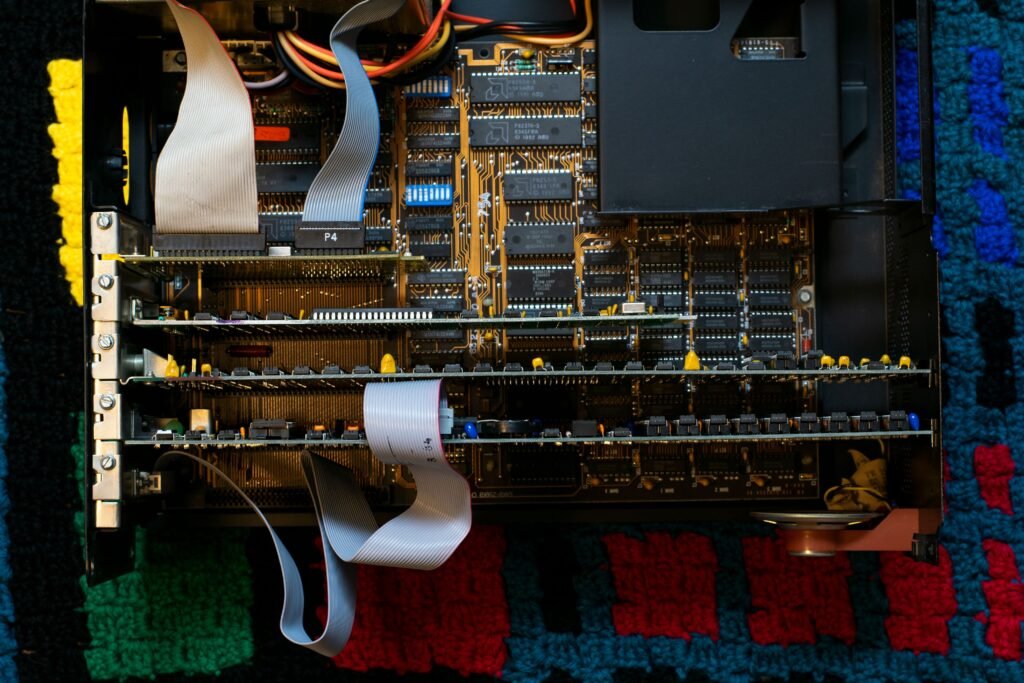
Universal chip interconnects have quietly solved one of the chip industry’s oldest problems. Chiplets from different companies could not talk to each other. Every vendor built its own proprietary connection. Universal chip interconnects changed that entirely. One open standard now lets chiplets from Intel, AMD, TSMC, and dozens of other companies work together in the same package. […]
Chip Manufacturing Without EUV: Alternative Paths Emerging
Chip manufacturing without EUV sounds impossible at first. EUV lithography machines print nearly every advanced chip today. Only one company builds them. But real alternatives are emerging in 2026, driven by cost, export restrictions, and simple necessity. Here is what chip manufacturing without EUV actually looks like right now, and how far these alternatives have really come. Why Chip Manufacturing […]
Wafer-Level Packaging Explained: Why It Matters More Than Ever
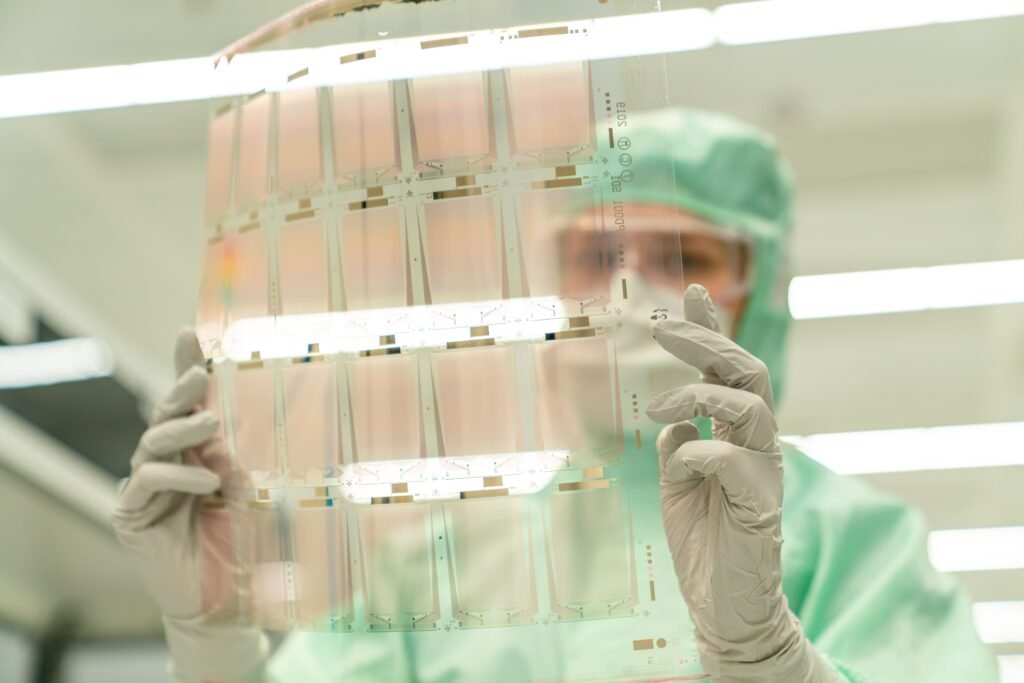
Wafer-level packaging is quietly replacing decades-old chip assembly methods. AI accelerators pushed the shift into overdrive. Traditional packaging simply cannot keep up with modern chip bandwidth demands. Wafer-level packaging solves that problem by rethinking how chips connect to everything around them. Here is how it works, and why it matters so much right now. What […]
The New Era of Custom Silicon for Enterprise AI

Custom silicon has quietly taken over enterprise AI infrastructure. Nvidia still leads the market. But every major hyperscaler now designs its own AI chips too. Google, Amazon, Microsoft, and Meta have all built custom silicon for their specific workloads. Consequently, the AI hardware market is no longer a one-vendor story. Here is why custom silicon exploded in […]
3D Chip Stacking: Building Processors Vertically
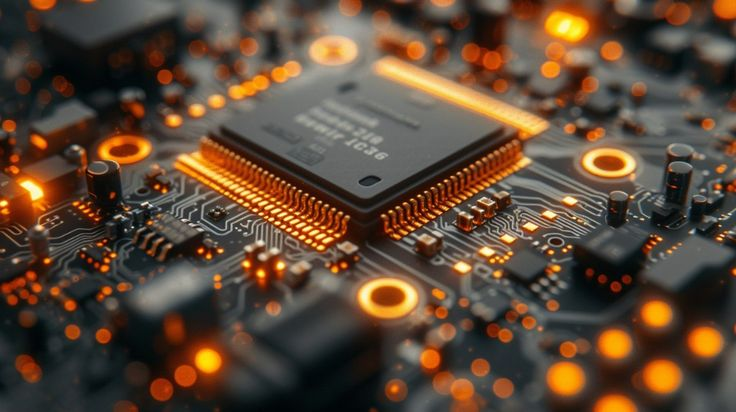
3D chip stacking is changing how processors get built. For decades, chips grew wider, not taller. That approach is running out of room. 3D chip stacking flips the model entirely. Instead of spreading transistors across a flat surface, engineers now stack chips on top of each other. Here is how this vertical shift works, and why […]