DDR6 memory is the next big jump in PC and server RAM, and the early details already sound impressive. JEDEC finalized the core DDR6 draft in late 2024, and the standard is now moving through platform-level testing ahead of a commercial rollout. So while you cannot buy DDR6 yet, the roadmap is finally solid enough to talk about with real confidence.
What Is DDR6 Memory?
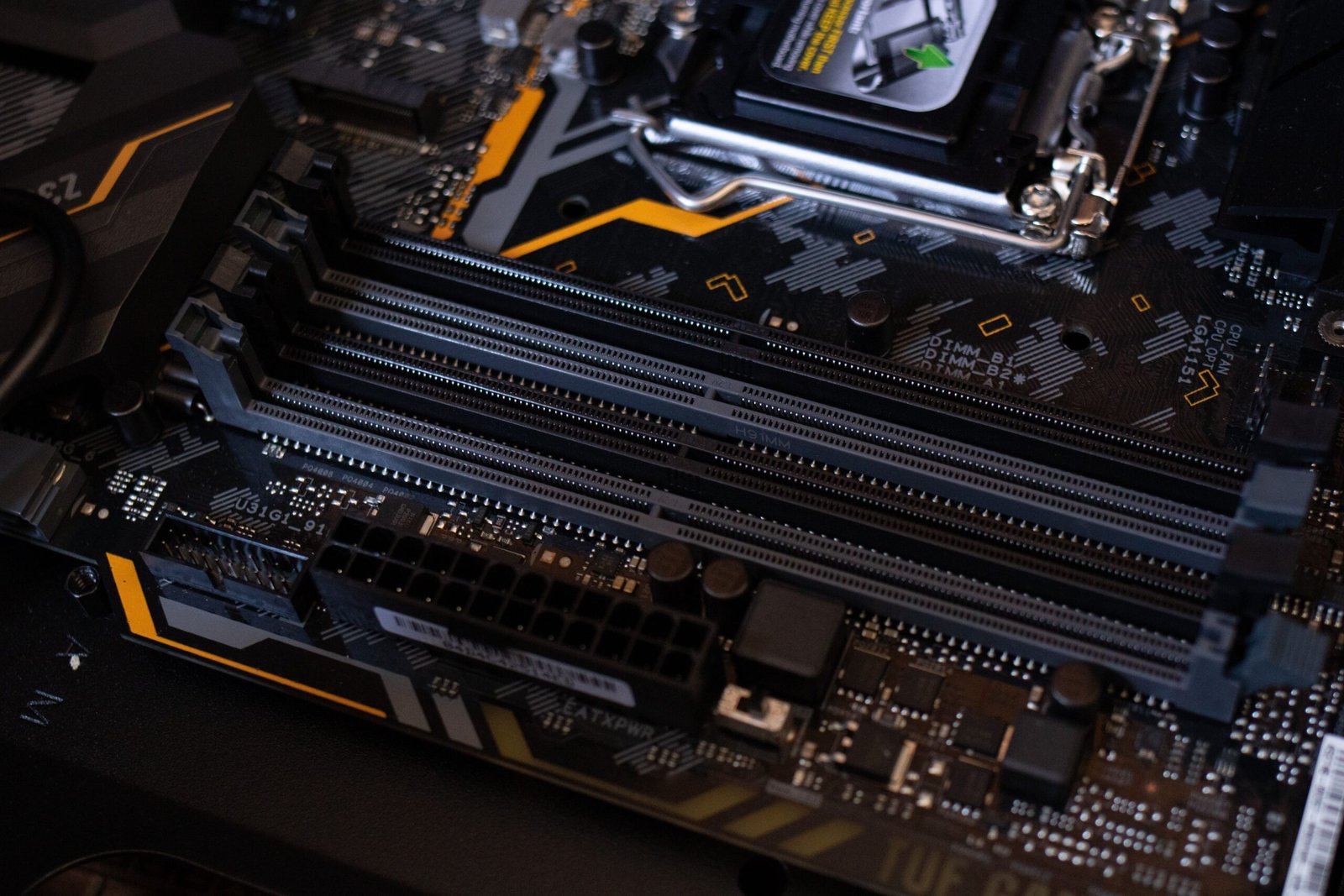
DDR6 is the sixth generation of Double Data Rate synchronous DRAM, the standard type of system used in nearly every modern PC and server.
Like every DDR generation before it, DDR6 aims to roughly double bandwidth over its predecessor while also improving power efficiency.
DDR6 Memory Speed and Specs So Far
Higher Density Per Module
Beyond raw speed, DDR6 is also expected to support much higher-density dies than DDR5 currently allows.
No Backward Compatibility
Unfortunately, DDR6 will not work in existing DDR5 motherboards. Therefore, adopting it will mean a full platform upgrade, not just a RAM swap.
When Will DDR6 Memory Actually Arrive?
since that is where the bandwidth is needed most urgently. onsumer desktops, meanwhile, are expected to follow in 2027 or 2028, closely tracking the pattern set by previous DDR generations.
That timeline lines up neatly with other next-generation interconnects arriving around the same window.
DDR6 Memory vs. DDR5: The Short Version
if you are building a new system in 2027 or later, DDR6 should offer meaningfully better bandwidth and density than anything DDR5 can deliver today.
Final Thoughts
DDR6 memory is shaping up to be one of the more significant transitions in years, not just because of the speed increase, but because of the deeper architectural changes underneath it. Servers and AI platforms will get it first, and consumer PCs will follow a year or two later, but the direction is now clear.