
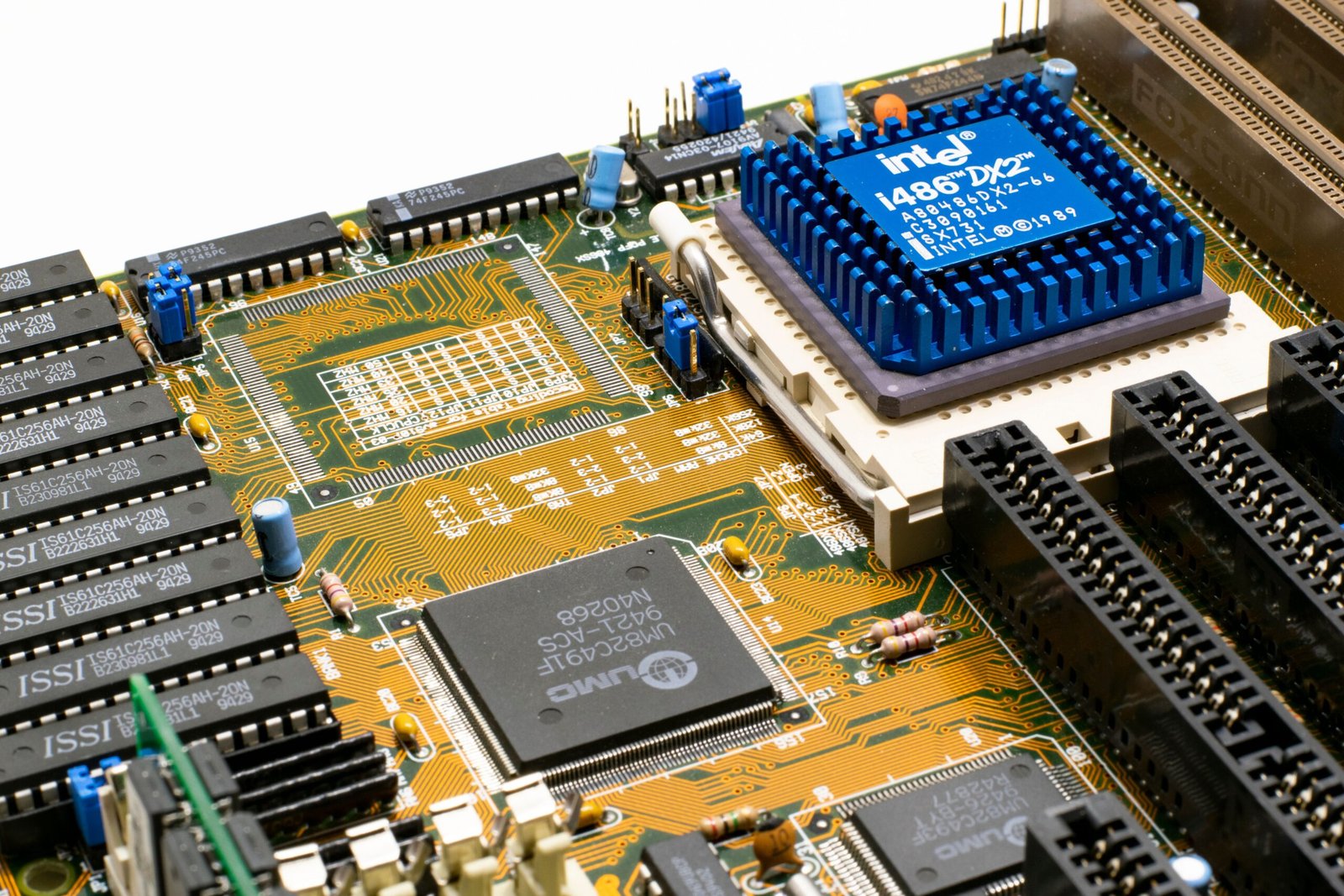
The ARM vs x86 debate used to have an easy answer. ARM ran your phone. x86 ran your laptop and your server. Everyone stayed in their lane. That split is gone now, and the ARM vs x86 fight has turned into the most interesting story in computer hardware this year.
What ARM vs x86 Actually Means
ARM and x86 are two different ways of building a processor. ARM uses a simpler instruction set called RISC. Each instruction is small and fast, so the chip stays cool and sips power. That is why ARM has always ruled phones and tablets.
It uses a complex instruction set called CISC. Each instruction can do more work at once, but it costs more power and generates more heat. That tradeoff made x86 the natural choice for desktops, gaming rigs, and servers for decades.
The line between them is not as clean as it used to be. Modern x86 chips break complex instructions into smaller pieces internally. Modern ARM chips run wide, aggressive cores that rival x86 on raw speed. The ARM vs x86 split is still real, but the gap has narrowed fast.
Why the Chip War Is Heating Up
Three things pushed this fight into the spotlight this year.
Laptops got a real ARM contender. Qualcomm’s Snapdragon X series brought Windows on ARM into the mainstream, with battery life that regularly clears 20 hours. Apple already proved ARM could beat x86 in a laptop with its M-series chips. Intel and AMD answered with more efficient designs of their own, closing some of the gap but not all of it.
The cloud quietly switched sides. Amazon’s Graviton chips, Google’s Axion processors, and Microsoft’s Cobalt 100 are all ARM-based, and all built in-house. Companies running web servers and microservices are moving to ARM instances because they cost less and often perform better for that kind of workload. This shift happened fast, and most cloud teams barely noticed it happening.
Nvidia picked a side. Nvidia’s new AI-focused chip pairs an ARM CPU with its own GPU, and it is already shipping in laptops from Dell, HP, Lenovo, and Microsoft. That is a strong signal about where high-performance computing is heading next.
Where x86 Still Wins ARM vs x86
x86 has not lost this fight. It has just lost its monopoly.
Gaming still belongs to x86. Every major title is built and tuned for Intel and AMD chips, and that library of software is not moving anytime soon.
Heavy desktop workloads still favor x86 too. Video editing, 3D rendering, and CAD software run on decades of optimization that ARM simply has not caught up to yet.
Enterprise software is the biggest anchor. Countless business tools, licensed databases, and legacy Windows applications were built for x86, and rewriting all of that for ARM is not realistic for most companies. https://www.arm.com/architecture/cpu
Where ARM Is Pulling Ahead
ARM’s advantage shows up clearest in three places.
Battery life is the easiest win. ARM laptops routinely outlast x86 laptops by several hours doing the same work.
Cloud economics favor ARM too. Businesses moving standard workloads to ARM-based cloud instances often see lower bills alongside similar or better performance, since ARM chips do more work per watt of power.
AI hardware integration is where ARM shines brightest right now. Apple, Qualcomm, and Nvidia all build ARM chips with the CPU, GPU, and AI accelerator tightly combined on one chip, which keeps AI tasks fast without burning through battery.
So, Is the Chip War Actually Getting Interesting?
Yes, and here is why. For the first time in twenty years, ARM has credible backing from major PC makers, real cloud market share, and a foothold in gaming laptops through Nvidia’s new hardware. x86 has not slowed down either. Intel and AMD keep shipping more efficient chips every year to defend their turf.
Neither side is winning outright. ARM is grabbing ground in laptops, cloud servers, and AI hardware. x86 is holding its ground in gaming, heavy desktop work, and enterprise software. That is exactly what makes the ARM vs x86 rivalry worth watching right now: both sides are actually fighting for the same territory for the first time in a long while.
The Bottom Line
Pick your hardware based on what you actually do with it, not brand loyalty. If you need long battery life and mostly browse, write, and use cloud apps, ARM is a strong choice. If you game, edit video, or run software tied to x86, stick with Intel or AMD for now. The ARM vs x86 chip war is not settled, and that is good news for anyone buying hardware in the next few years, since real competition tends to push both sides to build better chips.