
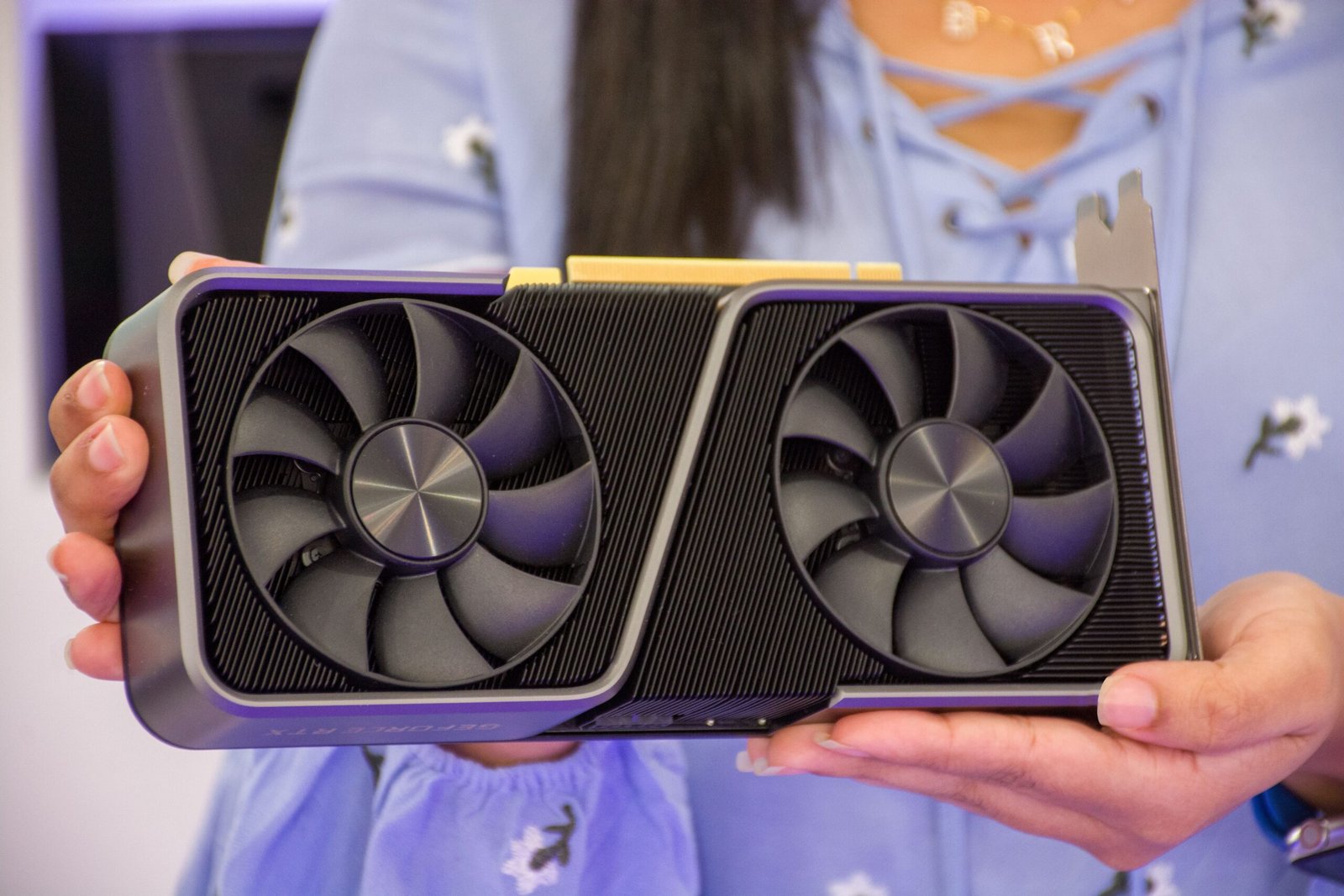
PCIe 7.0 is the next major leap for the interconnect that links your CPU, GPU, and storage, and it is arriving faster than most PC builders expect. PCI-SIG released the finalized PCIe 7.0 specification to its members in mid-2025, doubling the raw data rate of PCIe 6.0 from 64.0 GT/s to a massive 128.0 GT/s. In practical terms, that means up to 512 GB/s of bidirectional bandwidth on a full x16 slot. So even though consumer motherboards will not ship with it for a few more years, the groundwork is already being laid today.
In this article, we will break down what PCIe 7.0 actually changes, why it matters beyond raw numbers, and when you can realistically expect it in a desktop PC.
What Is PCIe 7.0, Exactly?
PCI Express, or PCIe, is the high-speed lane that moves data between your processor and everything else, including graphics cards, SSDs, and networking hardware. Each new generation roughly doubles the bandwidth of the last one while staying backward compatible with older devices. PCIe 7.0 continues that pattern, pushing the raw bit rate to 128.0 GT/s using PAM4 signaling and flit-based encoding, the same techniques introduced in PCIe 6.0.
Because of this backward compatibility, you will still be able to plug a PCIe 4.0 SSD into a PCIe slot. However, you simply will not get the extra bandwidth until the device itself supports the newer standard.
Why PCIe 7.0 Matters for Future PCs
Faster Storage and Shorter Load Times
Next-generation NVMe SSDs built around PCIe could theoretically hit sequential speeds several times faster than today’s fastest PCIe 5.0 drives. As a result, game installs, video editing scratch disks, and large dataset transfers should feel dramatically quicker once the hardware catches up to the spec.
Headroom for GPUs and AI Workloads
Modern GPUs already push enormous amounts of data across the PCIe bus, especially in AI and machine learning workloads. Consequently, PCI gives graphics cards and accelerators far more headroom before the interconnect itself becomes the bottleneck, which matters as much for gaming rigs as it does for workstations.
Better Power Efficiency Per Bit
Interestingly, each new PCIe generation has focused on improving power efficiency alongside raw speed, not just chasing bigger numbers. PCIe 7.0 follows that same philosophy, which should help laptops and compact systems avoid the thermal and battery penalties that faster interconnects usually bring.
Who Will Use PCIe 7.0 First
Data centers, AI infrastructure, and high-performance computing clusters will almost certainly adopt PCIewell before it reaches your local PC store. That is simply because hyperscale operators need the bandwidth immediately for AI training clusters, 800G networking, and quantum computing research. Meanwhile, consumer motherboards typically lag a generation or two behind server-grade hardware, largely because building compliant chips at scale takes time and money.
That cost is not trivial, either. If you are curious about why leading-edge chip production is so expensive in the first place, our earlier piece on quantum-inspired processors and next-generation hardware economics covers the fabrication side of that equation in more detail.
When Will PCIe 7.0 Reach Consumer PCs?
Based on the release pattern of previous generations, expect PCIe 7.0 motherboards, GPUs, and SSDs to reach consumers sometime around 2028. For context, PCIe 5.0 took roughly three years to move from finalized spec to mainstream desktop adoption, and PCIe 6.0 is still ramping up in early 2026. So while the PCIe 7.0 specification is technically finished now, real-world consumer products will take patience.
Final Thoughts
PCIe 7.0 is not just another spec bump; it is a meaningful jump in bandwidth that will quietly shape how fast your next GPU, SSD, and motherboard can move data. Data centers and AI clusters will feel the benefits first, but by the time PCIe 7.0 trickles down to consumer PCs, it should make today’s storage and GPU bottlenecks feel like ancient history.