
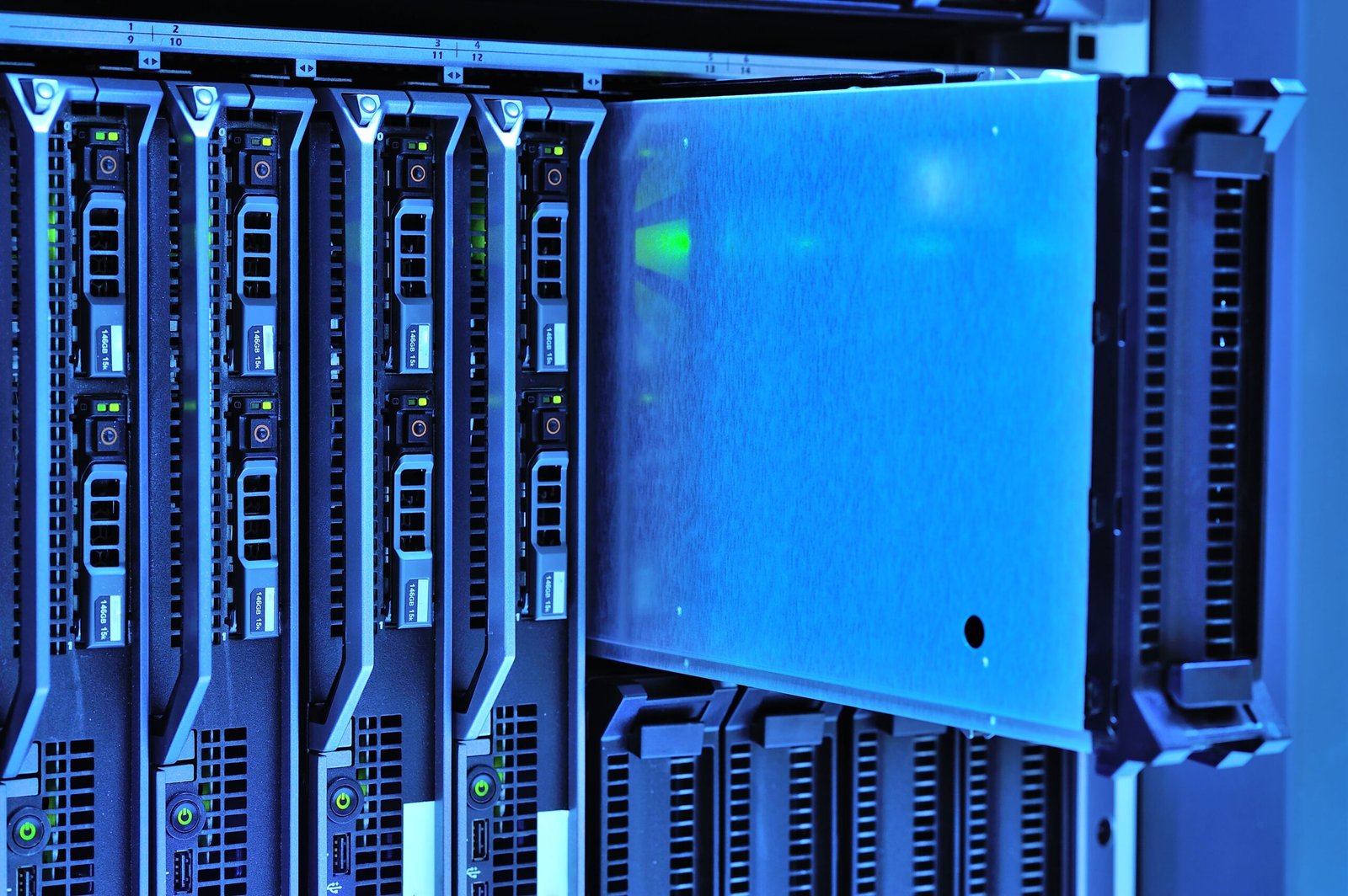
AI infrastructure decisions used to be simple: rent capacity from a cloud provider and move on. In 2026, that’s no longer true. Rising cloud costs, tighter data regulations, and massive model workloads have pushed enterprises to reconsider how they build and run their AI infrastructure. In this post, we’ll look at why the cloud-versus-on-prem debate reignited, what’s driving enterprises back toward owning their own hardware, and how companies are landing on hybrid approaches instead.
Why AI Infrastructure Costs Spiraled in the Cloud
Cloud computing made sense when workloads were unpredictable and modest in size. However, large language models changed the math entirely. Training and running these models requires sustained access to expensive GPUs, and cloud providers charge a premium for that access. As a result, many enterprises watched their monthly cloud bills climb far past initial projections.
Meanwhile, GPU availability became unpredictable. Popular chip models sold out quickly, so companies sometimes waited weeks for the capacity they needed. Because of these shortages and rising prices, finance teams started asking a hard question: would owning hardware actually cost less over time?
The Case for On-Prem AI Infrastructure
For companies running AI workloads constantly, on-prem AI infrastructure often pays for itself within a few years. Once the hardware is purchased, the marginal cost of running another training job drops significantly compared to paying per-hour cloud rates. Additionally, on-prem setups give companies full control over data residency, which matters enormously for regulated industries like healthcare and finance.
Security is another major factor. Keeping sensitive data inside a company’s own walls reduces exposure to third-party breaches. Therefore, industries handling private data increasingly favor on-prem AI infrastructure, even though it requires a larger upfront investment.
If you’re weighing this decision for your own organization, our guide on calculating total cost of ownership for enterprise hardware walks through the math in detail.
Why the Cloud Still Wins for Many Enterprises
Despite the shift, cloud-based AI infrastructure still makes sense for many companies. Building and maintaining a data center demands specialized staff, physical space, and ongoing maintenance that smaller organizations simply can’t justify. Consequently, startups and mid-sized companies often stick with cloud providers, since flexibility matters more to them than long-term cost savings.
Cloud providers also move faster when new chip generations arrive. Instead of waiting years to refresh owned hardware, cloud customers can access newer GPUs almost as soon as they’re released. In other words, the cloud remains the better choice whenever speed and flexibility outweigh raw cost efficiency.
For a broader comparison of providers, check out our cloud GPU pricing comparison across major platforms.
The Rise of Hybrid AI Infrastructure
Rather than choosing one side entirely, most large enterprises are landing on a hybrid model. Under this approach, companies run predictable, steady workloads on owned hardware while bursting to the cloud during demand spikes. This strategy captures much of the cost savings from on-prem AI infrastructure without sacrificing the flexibility the cloud provides.
Hybrid setups do add complexity, though. IT teams must manage two environments, keep data synchronized, and ensure security policies apply consistently across both. Nevertheless, many enterprises view that added complexity as a fair trade-off for lower costs and better control. My previous Blog
What This Means for AI Infrastructure Planning Going Forward
Looking ahead, expect more enterprises to treat AI infrastructure planning as a core strategic decision rather than a routine IT task. Finance, security, and engineering teams are now involved together from the start, since the stakes and costs have grown so much larger. Furthermore, as specialized AI chips continue to evolve, the cost gap between cloud and on-prem options will likely keep shifting, which means today’s decision may need revisiting again within a few years.
For ongoing analysis of enterprise infrastructure trends, Gartner’s data center research offers useful benchmarks, and The New Stack’s coverage of AI infrastructure tracks emerging tools and platforms.
Final Thoughts
The cloud-versus-on-prem debate never really disappeared; it just went quiet for a while. Now, rising costs and massive AI workloads have brought AI infrastructure decisions back to the center of enterprise strategy. Because no single approach fits every company, hybrid models are becoming the practical middle ground. Whichever path a company chooses, one thing is clear: AI infrastructure is no longer an afterthought, but a core part of how enterprises plan for the future.
Curious how to start building your own hybrid strategy? Read our step-by-step guide to hybrid AI deployment next.