
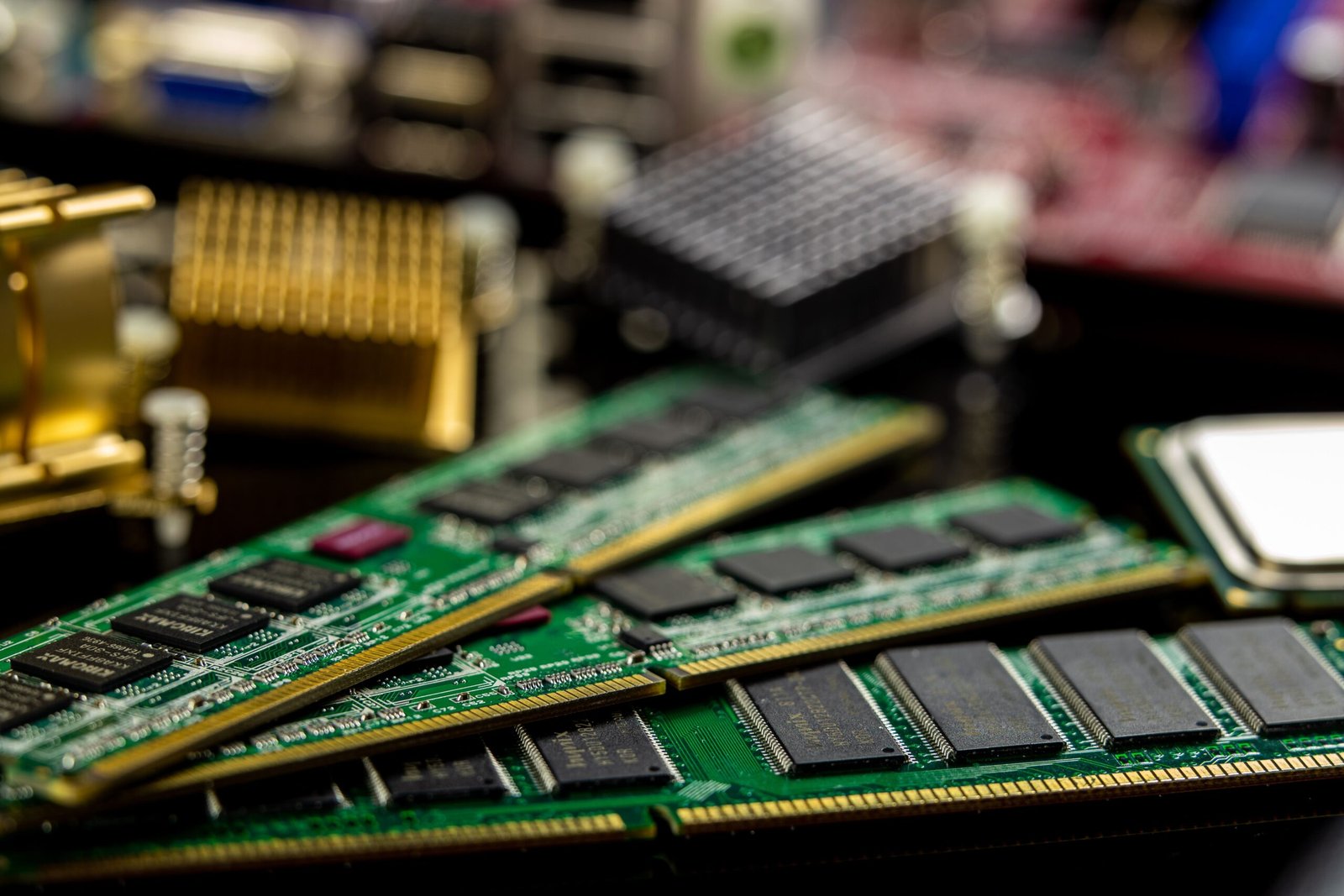
The memory chip crisis is the reason that shiny new laptop suddenly costs more than it did last year. RAM and storage prices have spiked sharply in recent months, and manufacturers have passed those costs straight to shoppers. In this post, we’ll break down what triggered the memory chip crisis, why it’s hitting laptops so hard, and when relief might finally arrive.
What’s Actually Causing the Memory Chip Crisis
Several factors collided at once to create this shortage. First, demand for AI servers exploded, and those servers need massive amounts of high-end memory. As a result, chipmakers shifted production capacity toward server-grade chips instead of the consumer-grade memory used in laptops. Second, a handful of companies control most of the world’s memory chip supply, so any disruption at one factory ripples across the entire market. Third, some manufacturers cut production during a previous downturn to protect profits, and that lower capacity never fully recovered.
Consequently, laptop makers now compete with data center buyers for the same limited supply of chips. Because data centers can pay far more per chip, laptop memory often loses that bidding war.
How the Memory Chip Crisis Reached Consumer Laptops
Laptop manufacturers typically lock in chip prices months before a device reaches store shelves. However, this year’s price swings happened faster than usual, which caught many manufacturers off guard. Therefore, some companies absorbed the extra cost temporarily, while others raised prices immediately to protect their margins.
Meanwhile, budget laptops felt the impact hardest. These models typically ship with less memory, but they also run on thinner profit margins, so even a small price increase forces manufacturers to raise the sticker price noticeably. In other words, the memory chip crisis hurts affordable laptops more than premium ones, at least in percentage terms.
If you want to see how this compares to past component shortages, our earlier post on the global chip shortage timeline covers similar supply chain disruptions.
How Much More Are Laptops Actually Costing
Pricing varies by brand and configuration, but the pattern is consistent. Entry-level laptops that once sold for a few hundred dollars now often carry a noticeably higher price tag. Mid-range and premium laptops saw smaller percentage increases, but the added cost still shows up clearly on the receipt. Additionally, some manufacturers quietly reduced the amount of memory included in base models instead of raising prices outright, so shoppers should compare specs carefully rather than assuming last year’s configuration is still standard.
For a closer look at what specs actually matter right now, check out our laptop buying guide for this year before making a purchase.
When Will the Memory Chip Crisis Ease Up
Industry analysts expect the memory chip crisis to ease gradually rather than end overnight. Chipmakers are investing in new factories, but building and ramping up a semiconductor plant takes years, not months. Meanwhile, AI demand shows no sign of slowing down, which keeps pressure on the supply that would otherwise flow to consumer devices.
Some relief may come from diversification. As more countries invest in domestic chip production, the market becomes less dependent on a small handful of suppliers. Until that capacity comes online, though, shoppers should expect memory prices to stay elevated.
For ongoing coverage of chip pricing trends, Tom’s Hardware’s memory pricing reports track weekly market shifts, and TrendForce’s semiconductor research offers deeper industry data.
What Shoppers Can Do Right Now
Buying a laptop during a price spike isn’t ideal, but a few strategies help. First, compare memory specs closely instead of assuming similar-looking models are equal. Second, consider laptops with upgradeable RAM, since that flexibility can offset some cost pressure later. Third, watch for seasonal sales, as retailers sometimes absorb part of the cost increase during major shopping events.
Our guide to upgradeable vs soldered RAM laptops breaks down which models still let you add memory yourself. Previous blog is smart glasses
Final Thoughts
The memory chip crisis didn’t happen overnight, and it won’t resolve overnight either. Surging AI demand, concentrated manufacturing, and past production cuts all combined to squeeze the consumer market. Because laptop makers now compete directly with data centers for the same chips, everyday shoppers are absorbing costs that have little to do with the laptops themselves. Until new factories come online, expect memory prices, and laptop prices along with them, to stay higher than usual.
Want to track how this affects specific brands? Read our laptop price tracker by manufacturer for the latest updates.