
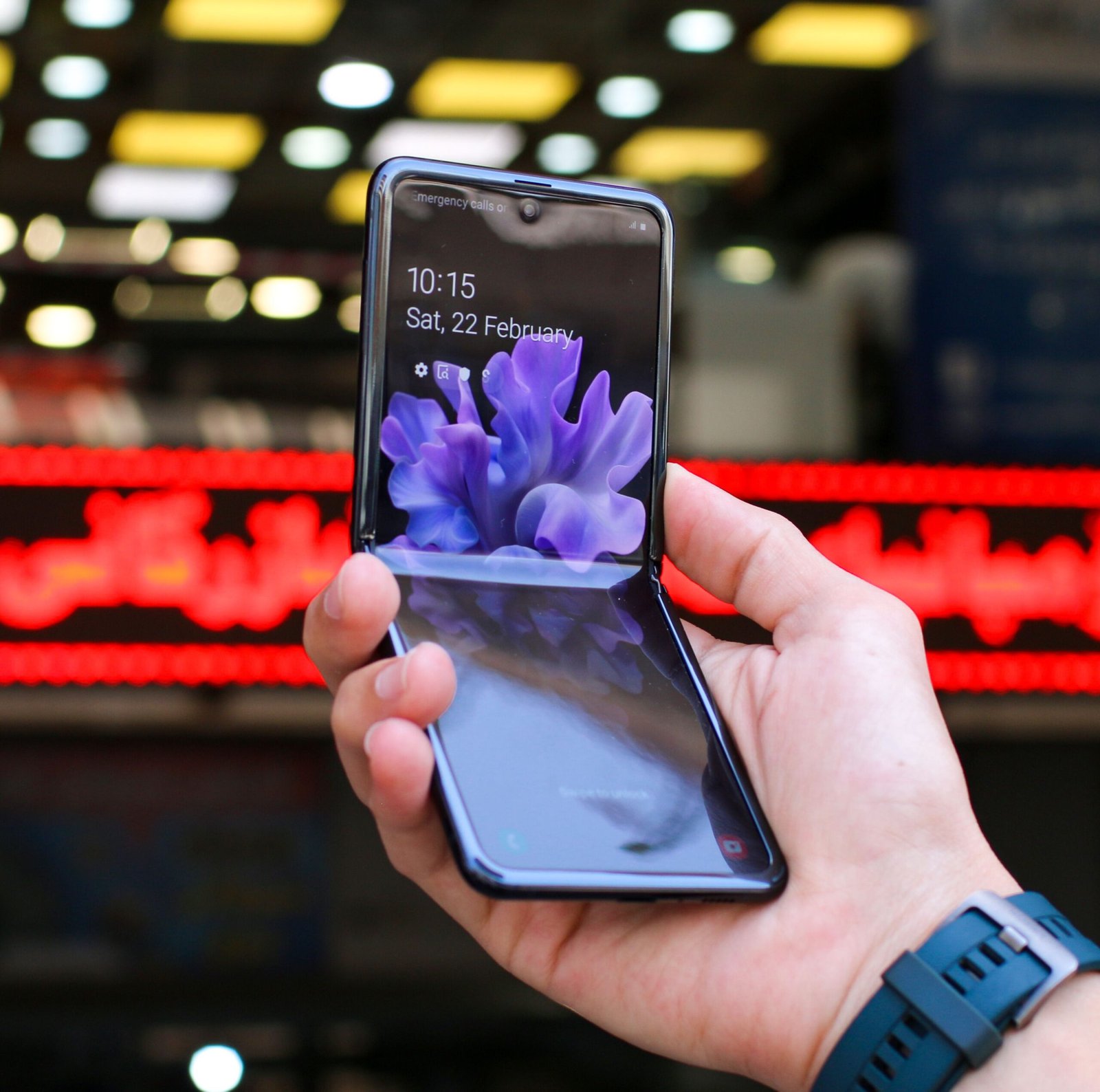
Samsung’s new foldable display just solved the one problem that has haunted folding phones since day one: the crease. For years, every foldable display showed a visible dent or shadow line right where the screen bends. Now, Samsung claims that flaw is gone for good. In this post, we’ll look at how this foldable display breakthrough actually works, why it took so long, and what it means for the future of folding phones.
Why the Crease Has Been So Hard to Fix
A foldable display bends thousands of times over its lifetime, and each fold stresses the same narrow strip of material. As a result, that strip stretches slightly differently than the rest of the panel. Over time, this creates a visible line, even when the phone is fully open. Engineers tried several fixes over the years, including thicker hinges and softer materials. However, none of these approaches removed the crease entirely; they only made it less noticeable.
Samsung’s foldable display takes a different approach. Instead of masking the crease, the new panel structure prevents it from forming in the first place.
How Samsung’s Technology Works foldable display
The breakthrough centers on a redesigned layer stack beneath the screen. Samsung replaced the traditional cushioning layer with a new composite material that distributes bending stress more evenly across the panel. Consequently, no single point on the foldable display takes repeated damage. Additionally, Samsung refined the hinge mechanism so the screen folds along a wider curve instead of a sharp angle. Because the fold is gentler, the display material experiences far less strain with every open and close cycle.
Samsung also improved the protective film on top of the panel. Earlier foldable display models used a soft plastic layer that scratched easily and wrinkled over time. The new formula is more scratch-resistant while remaining flexible enough to fold without cracking. Therefore, the screen looks better on day one and stays that way much longer.
For readers who want the full technical rundown, our earlier piece on how flexible OLED panels are made covers the manufacturing side in more detail.
What This Means for Foldable Phones foldable display
This foldable display upgrade matters far beyond bragging rights. First, it removes the biggest reason people hesitated to buy a folding phone. Many buyers loved the concept but worried about a permanent crease ruining the screen within months. Now that concern mostly disappears.
Second, a smoother foldable display makes the whole device feel more premium. Photos, videos, and games look sharper without a visible line cutting through the middle of the screen. In other words, the foldable display finally looks and feels like a normal flagship screen, just one that happens to fold in half.
Meanwhile, competitors are under pressure to catch up quickly. Other phone makers have their own foldable display projects in progress, and Samsung’s announcement raises the bar for what counts as acceptable quality going forward.
If you’re deciding between form factors, check out our foldable phones vs regular flagships comparison to see how the trade-offs stack up.
Durability and Longevity Improvements
Beyond the crease itself, Samsung tested the new foldable display for long-term durability. According to the company, the panel can withstand hundreds of thousands of fold cycles without a meaningful drop in screen quality. That’s a significant jump from earlier generations, which often showed wear well before reaching that mark.
Battery life and hinge dust resistance also improved alongside the display changes. Together, these updates suggest Samsung treated the crease fix as part of a broader reliability upgrade rather than a cosmetic patch.
What Comes Next foldable display
Looking ahead, expect other manufacturers to reveal their own crease-reduction techniques within the next year or two. For an outside look at how the broader industry is responding, Android Authority’s foldable coverage tracks announcements as they happen, and DisplayMate’s testing reports offer independent panel quality analysis.
Final Thoughts
Samsung’s foldable display breakthrough tackles the single biggest complaint about folding phones and actually fixes it at the source. Instead of hiding the crease, the new panel structure prevents it from forming. Because of that, folding phones finally feel ready for mainstream buyers rather than early adopters willing to accept visible flaws. If this technology rolls out across Samsung’s full foldable lineup, the crease complaint may soon become a thing of the past.
Curious how these changes affect pricing and release timing? Read our Samsung foldable release roadmap for what’s coming next.