
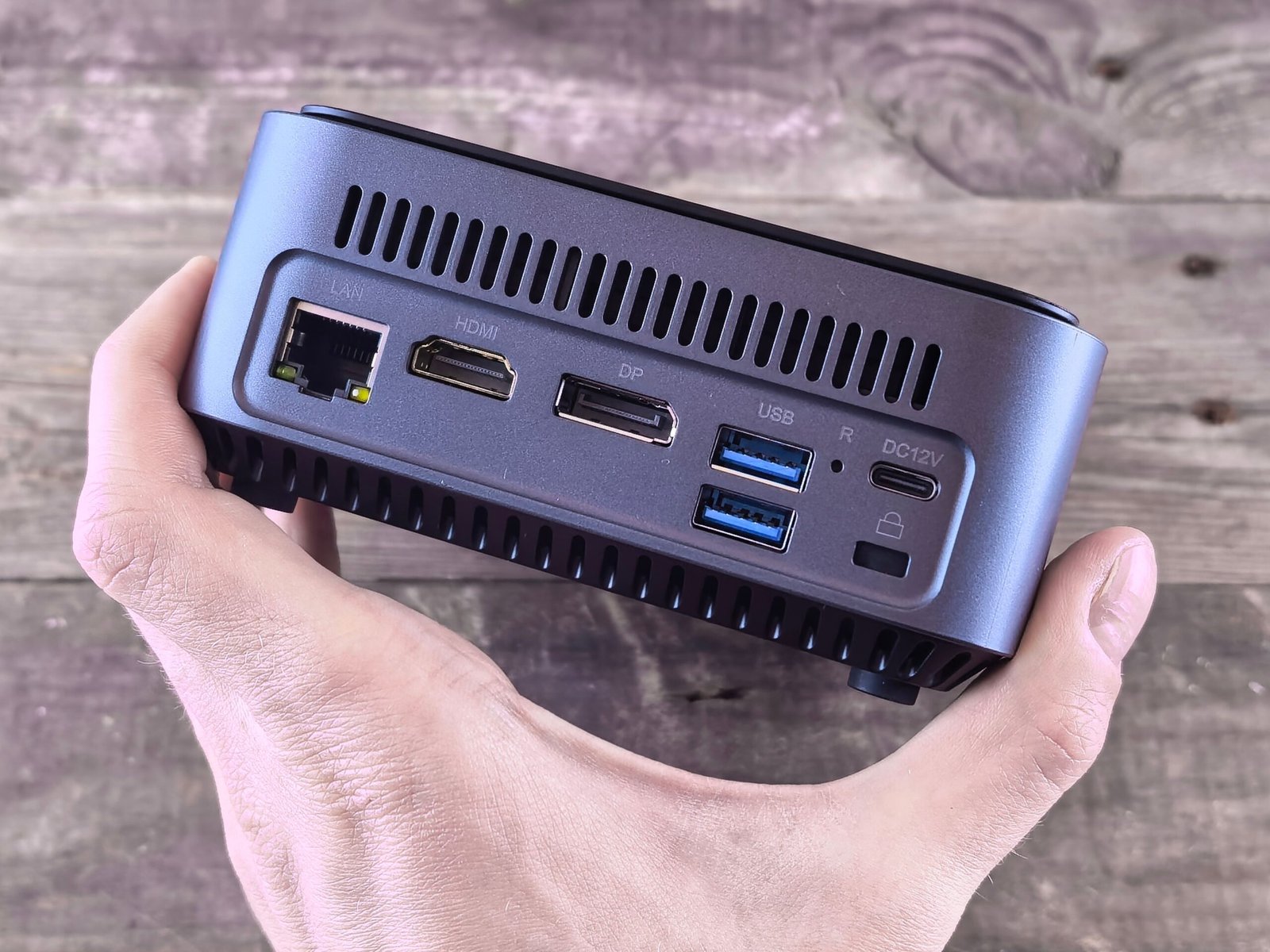
Future desktop PCs are heading in a direction almost nobody predicted a decade ago. Instead of getting bigger to get faster, they are getting smaller. Cooling has improved dramatically. Performance keeps climbing anyway. This shift is not a coincidence. It comes from real advances in chip design, thermal engineering, and component efficiency. So the old assumption that power requires bulk is finally breaking down.
In this article, we will explain what is driving this shift, which technologies matter most, and what future desktop PCs will likely look like in the next few years.
What Is Changing About Future Desktop PCs?
Future desktop PCs are moving away from the assumption that bigger always means better. Traditional towers packed in size specifically to manage heat and fit large cooling hardware. That approach is no longer necessary. Modern chips run more efficiently, coolers dissipate heat more effectively, and manufacturers have gotten smarter about component layout.
The result is simple. Compact systems can now match, and sometimes beat, the performance of much larger towers. This is not a marketing trick. It reflects genuine engineering progress across chips, cooling, and case design all at once.
The Technology Behind Future Desktop PCs
Smarter, More Efficient Chips
Chip makers now build processors that do more work while using less power. Factories create smaller transistors, which let a single chip handle more tasks without generating as much heat. Consequently, future desktop PCs no longer need massive cooling systems just to stay stable under load.
Cooling That Actually Keeps Up
Cooling technology has advanced just as fast as the chips themselves. Hybrid liquid-air coolers now combine compact radiators with quiet, high-efficiency fans. Some vapor-chamber coolers even include nano-fluid coolants that improve thermal conductivity. As a result, future desktop PCs can run demanding workloads without the noise or bulk that cooling once required.
A New Focus on Efficiency Over Raw Power
Recent hardware showcases have made this shift obvious. Manufacturers increasingly focus on delivering strong performance with better thermals, quieter acoustics, and real efficiency gains, rather than simply maximizing raw horsepower. That philosophy is spreading from laptops into desktops just as quickly.
Why Smaller Cases No Longer Mean Weaker Performance
For years, compact systems meant real compromise. You accepted a weaker GPU or a smaller cooler just to save space. That trade-off has mostly disappeared. Efficiency improvements and smarter component design now let compact systems offer performance comparable to traditional towers. In some cases, they even surpass them.
This shift matters beyond just gaming. Professionals and everyday users benefit too, since future desktop PCs increasingly deliver workstation-level performance without the workstation-sized footprint.
Modularity Is Shaping Future Desktop PCs Too
Alongside smaller size and better cooling, modularity has become a defining trend. Companies are now building chassis and components specifically designed for long-term upgrades. Instead of replacing an entire system every few years, users can swap individual modules as needs change. This reduces electronic waste and keeps future PCs relevant for much longer.
If you want a closer look at how this trend plays out in real builds today, our guide to premium mini-ITX builds and why they’re beating full towers covers exactly how small form factor systems already deliver full-size performance in a fraction of the space.
What to Expect From Future Desktop PCs Next
Expect this trend to accelerate rather than slow down. Chip efficiency keeps improving every generation. Cooling technology keeps closing the gap between compact and full-size thermal performance. Modularity keeps making upgrades easier and less wasteful. Together, these forces point toward a future where desktop size says very little about desktop power.
Final Thoughts
Future desktop PCs are proving that smaller does not mean weaker. Efficient chips, smarter cooling, and modular design have combined to make compact systems genuinely competitive with full towers. This is not a passing trend. It reflects a real shift in how manufacturers think about performance, space, and long-term value. If you are planning your next build, it is worth taking these smaller, cooler, more powerful systems seriously.