
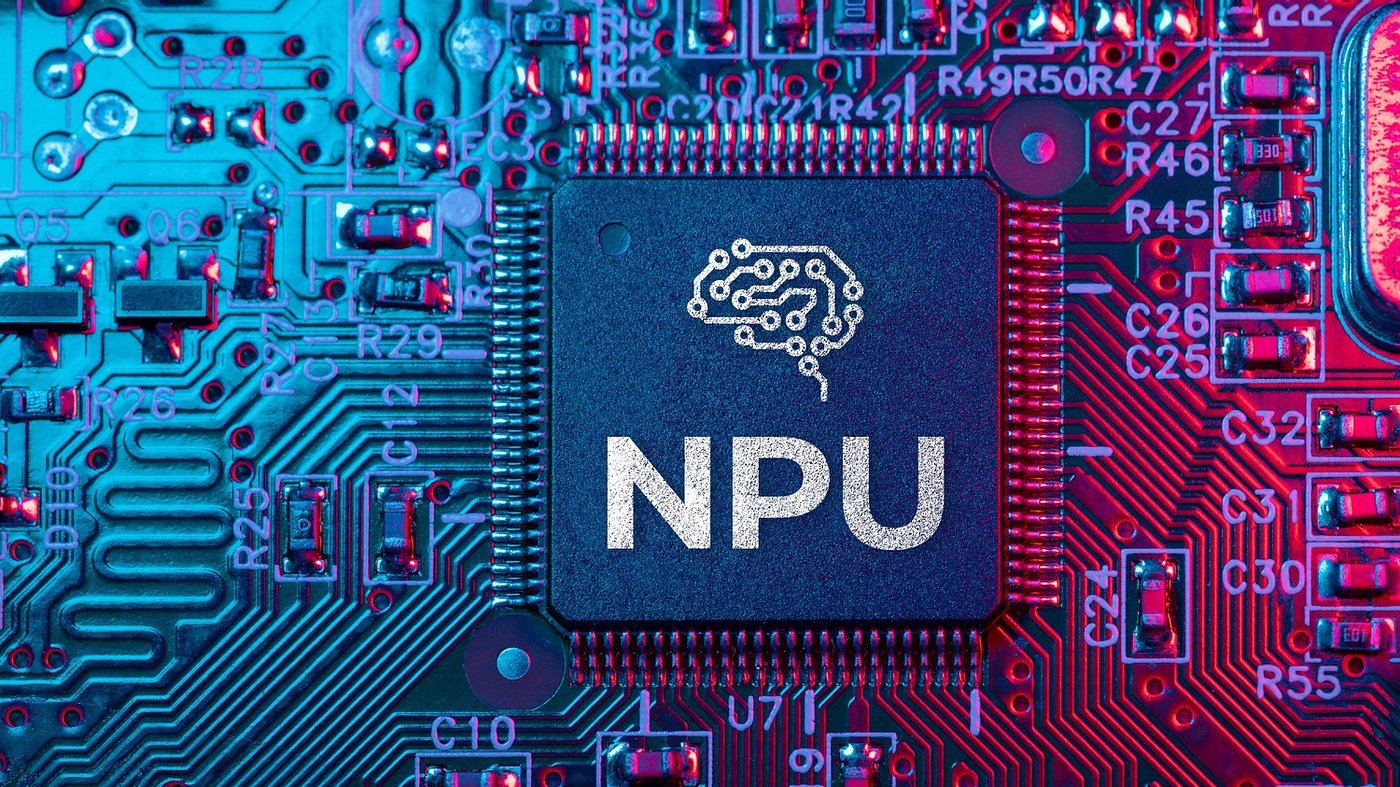
AI coprocessors are about to look very different from the NPUs sitting inside today’s laptops and phones. While neural processing units handle current AI workloads reasonably well, engineers are already designing the next generation of AI coprocessors built for far heavier tasks. In this post, we’ll look at where AI coprocessors are headed, what new designs are emerging, and why this shift matters for everyday devices.
Why Today’s NPUs Aren’t Enough
Current NPUs handle useful but relatively light tasks, like background blur, voice transcription, and basic photo enhancement. However, as AI features grow more ambitious, these chips are starting to hit real limits. Running larger models locally, processing video in real time, or handling multiple AI tasks simultaneously all demand more power than most NPUs can efficiently deliver.
Consequently, chipmakers began exploring dedicated AI coprocessors that go beyond what a standard NPU offers. Unlike general-purpose NPUs, these next-generation AI coprocessors are built around highly specialized tasks, trading flexibility for dramatically better performance on the workloads that matter most.
What Makes Next-Generation AI Coprocessors Different
Emerging AI coprocessors focus on efficiency gains that today’s chips simply can’t match. Some designs use in-memory computing, which processes data directly within memory chips instead of shuttling it back and forth to a separate processor. Because that constant data movement wastes both time and power, removing it dramatically speeds up AI tasks while using less energy.
Other AI coprocessors borrow ideas from neuromorphic computing, a design approach that mimics how neurons in the brain process information. Therefore, these chips can handle certain pattern-recognition tasks using a fraction of the power a traditional processor would need. As a result, devices could run sophisticated AI features continuously without draining the battery.
For a deeper look at how memory bottlenecks shaped this shift, our earlier post on AI memory compression and why it matters explains the related pressure points driving hardware innovation.
How AI Coprocessors Will Change Everyday Devices
As these chips mature, expect AI coprocessors to unlock features that feel impossible on today’s hardware. Real-time video generation, on-device translation across multiple languages simultaneously, and continuous environmental awareness could all become standard rather than novelty features. Meanwhile, battery life should improve even as AI usage increases, since specialized AI handle these tasks far more efficiently than general-purpose chips.
In other words, the AI coprocessors of the next few years won’t just make existing features faster; they’ll make entirely new categories of features practical for the first time. Manufacturers are already designing devices around this assumption, betting that dedicated AI hardware will become as standard as a camera or a battery.
If you’re curious how this connects to the compact hardware trend already underway, our post on AI mini PCs and why compact computers are getting powerful shows how this shift is already playing out.
Challenges Facing the Next Generation of AI Coprocessors
Building better AI coprocessors isn’t simple, though. Manufacturing chips with new architectures, like in-memory computing or neuromorphic designs, requires retooling factories that were built around traditional chip layouts. Therefore, these advanced AI take significantly longer to reach mass production than incremental improvements to existing NPU designs.
Software support presents another hurdle. Developers need new tools and frameworks to take advantage of specialized AI coprocessors, and that ecosystem takes time to mature. Additionally, chipmakers must convince device manufacturers that the performance gains justify the cost and complexity of adopting entirely new hardware.
Who’s Leading AI Coprocessor Development
Several major chipmakers and research labs are racing to bring these designs to market first. University research groups continue publishing breakthroughs in neuromorphic and in-memory computing, while established chip companies work on bringing these concepts into commercial products. Because competition in this space is intensifying, progress is likely to accelerate faster than it has in previous chip generations.
For ongoing coverage of these developments, IEEE Spectrum’s semiconductor coverage tracks emerging chip architectures in detail, and AnandTech’s hardware analysis offers deeper technical breakdowns as new chips launch.
Final Thoughts
AI coprocessors are entering a new phase that goes well beyond what today’s NPUs can handle. By exploring designs like in-memory computing and neuromorphic architecture, chipmakers aim to deliver dramatically better efficiency and entirely new capabilities. Because this transition requires new manufacturing processes and software ecosystems, the shift will take time. Still, as AI coprocessors mature, expect everyday devices to handle far more ambitious AI tasks without sacrificing battery life or performance.
Want to see how this hardware shift ties into running models without the cloud? Read our guide to the rise of local AI next.