
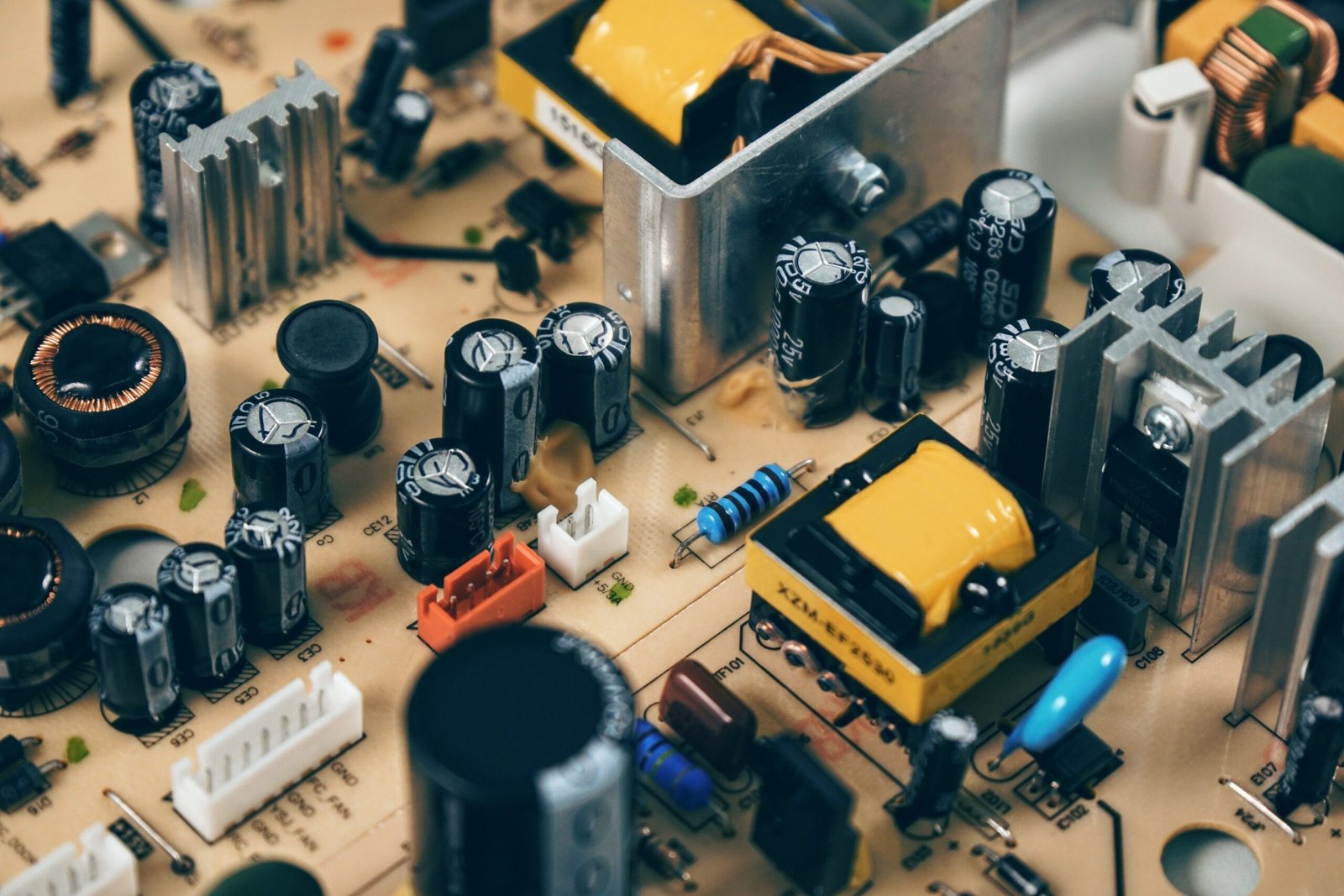
Edge AI has quietly moved from research labs into the devices sitting on your desk and in your pocket. For years, running AI on-device meant accepting slow performance, short battery life, or both. Now, new chip designs run genuinely useful AI features on less than a single watt of power.
Why Edge AI Struggled to Go Mainstream
Running AI models directly on a device sounds simple, but the hardware constraints made it difficult for years. Early AI chips either drained batteries quickly or lacked the processing power to run anything beyond basic tasks.
Meanwhile, consumers grew more sensitive to data privacy.
How New Chips Made Edge AI Practical
The breakthrough came from a combination of smaller transistors and specialized AI processing cores built directly into everyday chips.
Additionally, engineers refined how models themselves are built.
Where Edge AI Is Showing Up First
Smartphones led the way, but they’re far from the only devices benefiting now. Smart glasses use to translate speech and recognize objects without needing a constant internet connection. Hearing aids use it to filter background noise in real time. Security cameras use it to detect people and packages locally, which keeps footage off remote servers entirely.
In other words, AI is spreading fastest in devices where battery life, privacy, or response speed matter most.
What Sub-1W Power Budgets Actually Enable
Anything battery-powered and small, like earbuds, fitness trackers, or smart glasses, simply can’t support chips that draw several watts continuously. Once edge dropped below that one-watt threshold, engineers could add real AI features to devices that previously had no room for them at all.
Furthermore, lower power draw means less heat, which allows manufacturers to build smaller, lighter devices without bulky cooling systems. Nevertheless, chipmakers continue pushing efficiency even lower, since every fraction of a watt saved extends battery life or opens the door to a smaller form factor.
For an outside look at where chip efficiency is heading, IEEE Spectrum’s semiconductor coverage tracks new efficiency benchmarks, and AnandTech’s chip architecture analysis offers deeper technical breakdowns.
What Comes Next for Edge AI
Looking ahead, expect edge AI to keep expanding into categories that previously seemed impossible, such as tiny sensors and disposable medical devices. As chip efficiency improves further, more everyday objects will likely gain some form of on-device intelligence without needing a constant internet connection. Because privacy concerns aren’t going away, this shift toward local processing seems likely to accelerate rather than slow down. My Previous Blog.
Final Thoughts
Edge AI didn’t become mainstream overnight; it took years of steady improvement in chip design and model efficiency to get here. Now that sub-1W power budgets are achievable, AI features can run directly on small, battery-powered devices without sacrificing performance or privacy. Because this trend shows no sign of reversing, expect edge AI to show up in more devices, and more places, over the next few years.
Want to see how edge AI compares to cloud-based AI processing? Read our edge AI vs cloud AI comparison guide next.